The Peabody Museum is always evolving. We are committed to building a greater understanding of science, culture, and community, giving space to a wider range of collaborators and experts, and listening to our visitors. Each time you come back to the Peabody, expect to see something a little different - and be a part of that change yourself.
Permanent
Temporary
Past

Unfolding History
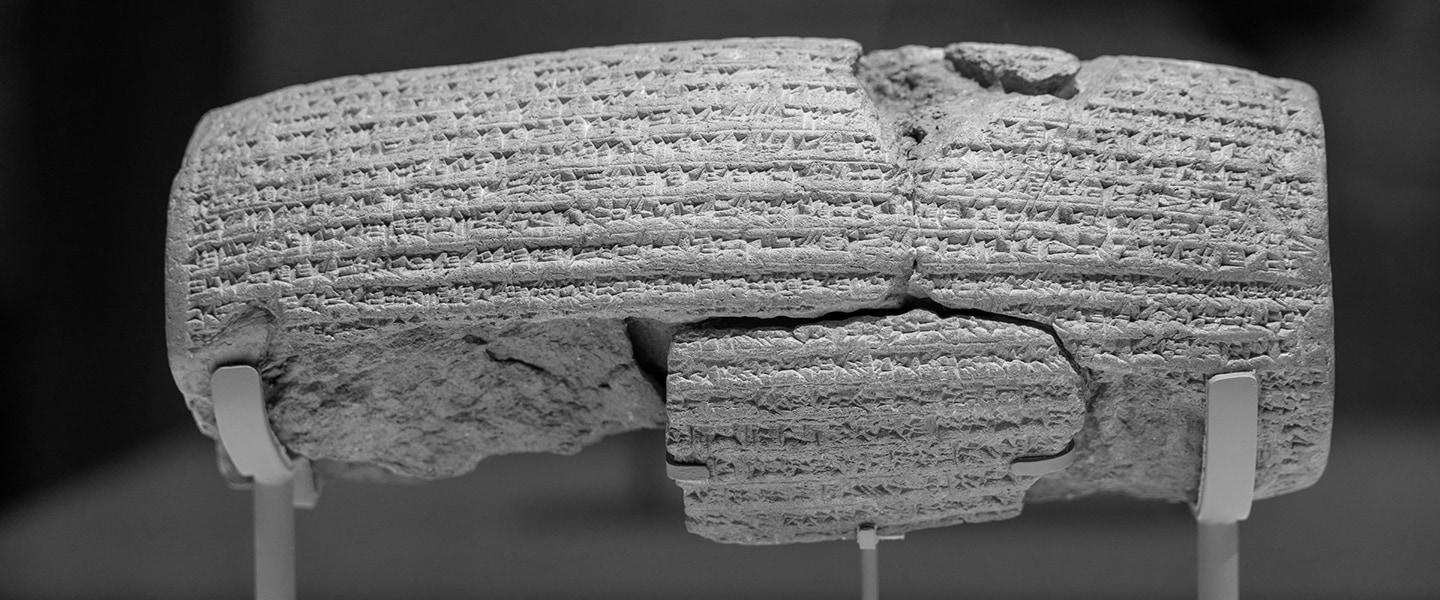
Writing in Ancient Egypt
May–November 2026
The Yale Peabody Museum’s newest temporary exhibition goes back 4,000 years to explore the origins of writing. Yale researchers are studying a set of tiny document fragments, forgotten since their arrival at the Brooklyn Museum in 1947, to learn more about this crucial moment for human communication – when understanding moved beyond the palace of the pharaoh to the daily lives of regular people.

Soft Traces
By Taisha Carrington, MFA '27
2026 Yale Peabody Museum Summer Art Fellow,
with support from the Yale school of Art
Starting July 2026
What kinds of objects or encounters quietly leave traces on us? How do culture and identity continuously shape the body?
Inherited knowledge, language, memory, and ancestry are often intangible. Inspired by Taíno body stamps, the artist thought about how temporary identifiers can represent the ways our immaterial cultures are always part of us.
Soft Traces proposes that cultural identity persists through embodied experience, repeated gestures, and everyday acts. The artwork fully exists only when a person touches it to create an impression on their skin. This mark, existing only briefly yet becoming part of the body's history, is the core "object."

Picturing at the Peabody
Photography by Yale students
Starting May 2026
This exhibition was developed by Yale students in the course "Picturing at the Peabody". This course, a collaboration between the Yale School of Art and the Peabody Museum, invited students to make photographic work in Peabody spaces, including the galleries, Imaging Studio, and natural properties. At the Peabody and elsewhere, students learned about the history of photography and how the Peabody collections are studied, organized, and exhibited.

Spineless
A student exhibition curated by Karina Ascunce, PhD Candidate in Neuroscience and Caecilia Thuermer, PhD Candidate in Molecular Biology
Starting October 2025
Spineless: “1. having no spine or backbone; invertebrate. 2. ...weak and purposeless.” (Oxford English Dictionary). The two definitions of spineless, respectively literal and metaphorical, give context to the general connotations surrounding invertebrates and invertebrate research: “weak” and “purposeless”. However, invertebrates have allowed humans to make tremendous scientific strides, spanning environmental technologies and revolutions in medical research. Utilizing specimens from across the Peabody's collections, this exhibition highlights the historical, present, and future applications of invertebrate research, particularly in their role in the advancement of biological science and human health.

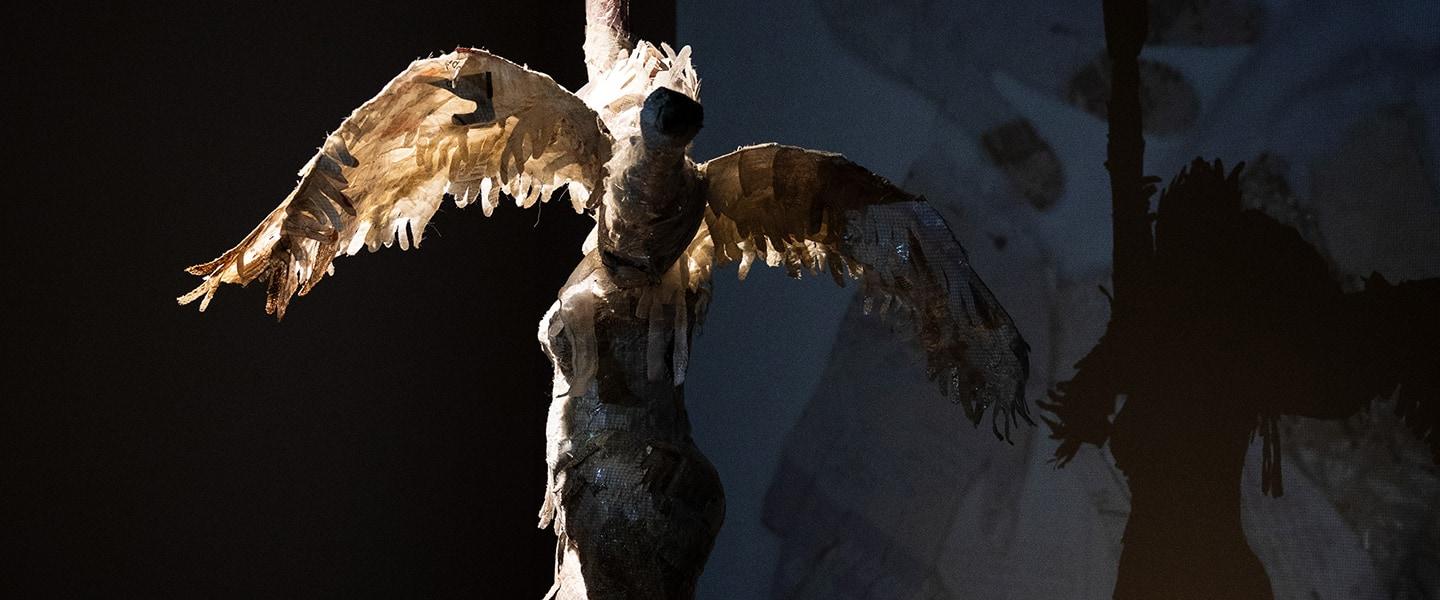
The Rocks Cry Out
An installation by Cameron Patricia Downey, MFA ‘26
Starting September 2025
What is the difference between a record and a life?
Sculptor Cameron Patricia Downey’s latest work brings together an array of found objects to question how we define who—or what—is a witness. Do these materials’ rich histories, touched by the actions of people or the Earth, imbue them with a kind of life? Inspired by the museum’s collections, Downey created this installation as the Yale Peabody Museum’s 2025 Summer Art Fellow, co-sponsored by the Yale School of Art.
About the Artist
Cameron Patricia Downey (b. 1998) is an anti-disciplinary artist born and raised in North Minneapolis, Minnesota whose work oscillates between photography, film, body, sculpture, curation and otherwise. The incidental, the precarious and the misremembered are central to these works which strive to archive, unfurl, make-altar-of and bring fantasy to the Blues of Black life and relation.
There Are No Horses on Horse Island
By Patricia Voulgaris
Starting April 2025
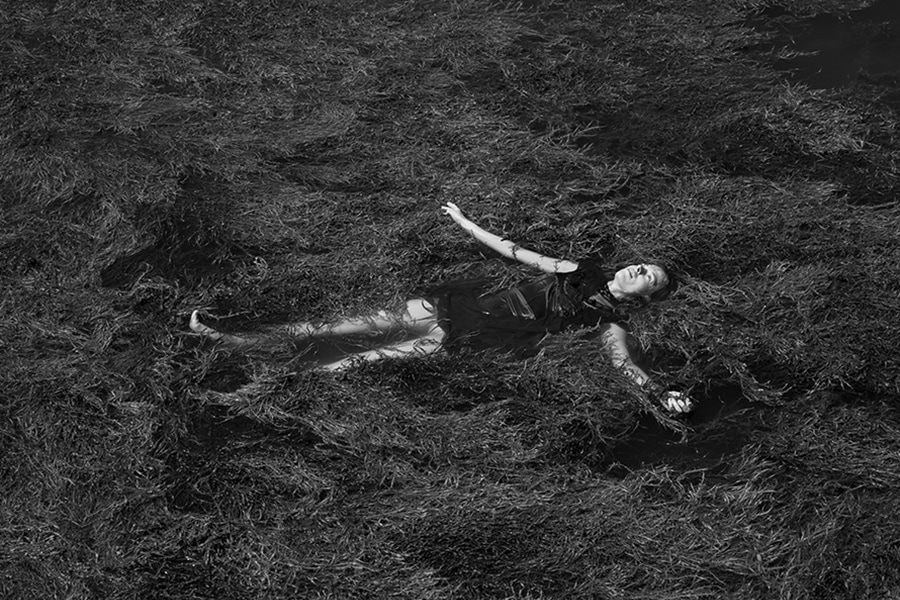
In her two-part display at the Yale Peabody Museum, There Are No Horses on Horse Island, Patricia Voulgaris explores the natural landscape and local history of Horse Island through photography and personal reflections. Her black and white images have an ethereal quality, and at first glance the contexts are hard to place.
Located in Branford, Connecticut, Horse Island is an environmentally protected area maintained by the Peabody Museum. Voulgaris spent a week there in a residency co-sponsored by the Peabody and the Yale School of Art. This residency is self-directed for an artist who is interested in living and creating in rugged terrain with camping living quarters.