Life first evolved in the oceans. Simple lifeforms, like bacteria and other microbes, have existed for billions of years. Complex life emerged about 600 million years ago. Ancestors of modern animals appeared during the Cambrian Explosion, around 540 million years ago. In its aftermath, marine animals diversified, giving rise to sponges, worms, shrimp-like forms, and fish-like creatures—our own ancestors.
Upon entering, you’ll see large ammonites with fascinating preservation. Under the balcony, Peabody research on fossilization and early life shows the oldest life on display in the gallery. The curved blue wall displays some treasures from the Peabody’s invertebrate fossil collections. You’ll see displays of ancient fish, echinoderms, and the Permian Extinction, which nearly destroyed all life on earth.
Click to expand images below.
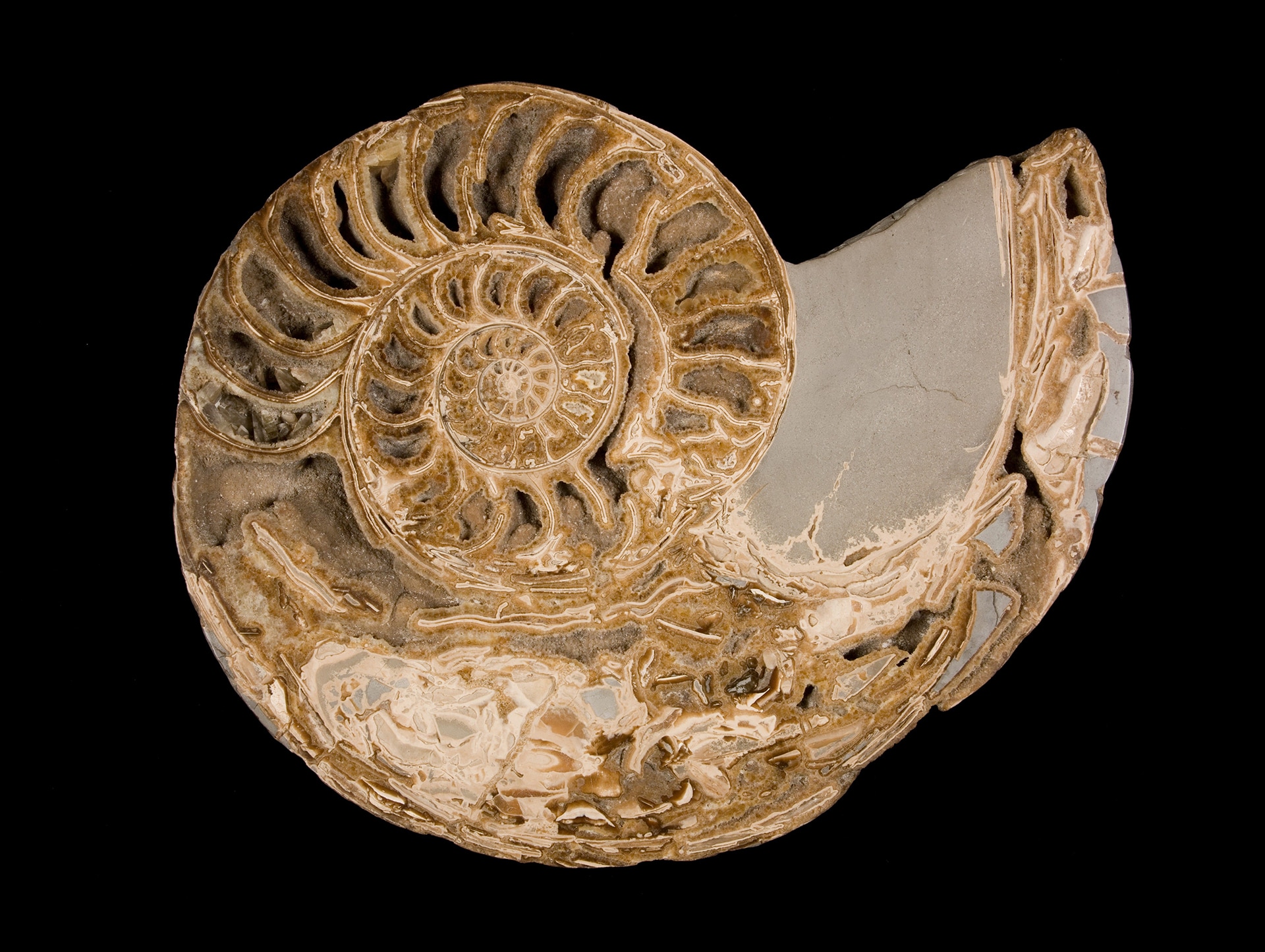
Ammonites
The chambers of these ammonites are filled with crystals formed from mineral-rich waters that seeped into the fossil.

Early Life
Yale paleontologists study the early origins of multicellular life. Fossil deposits give them insight to ancient environments and evolutionary history.
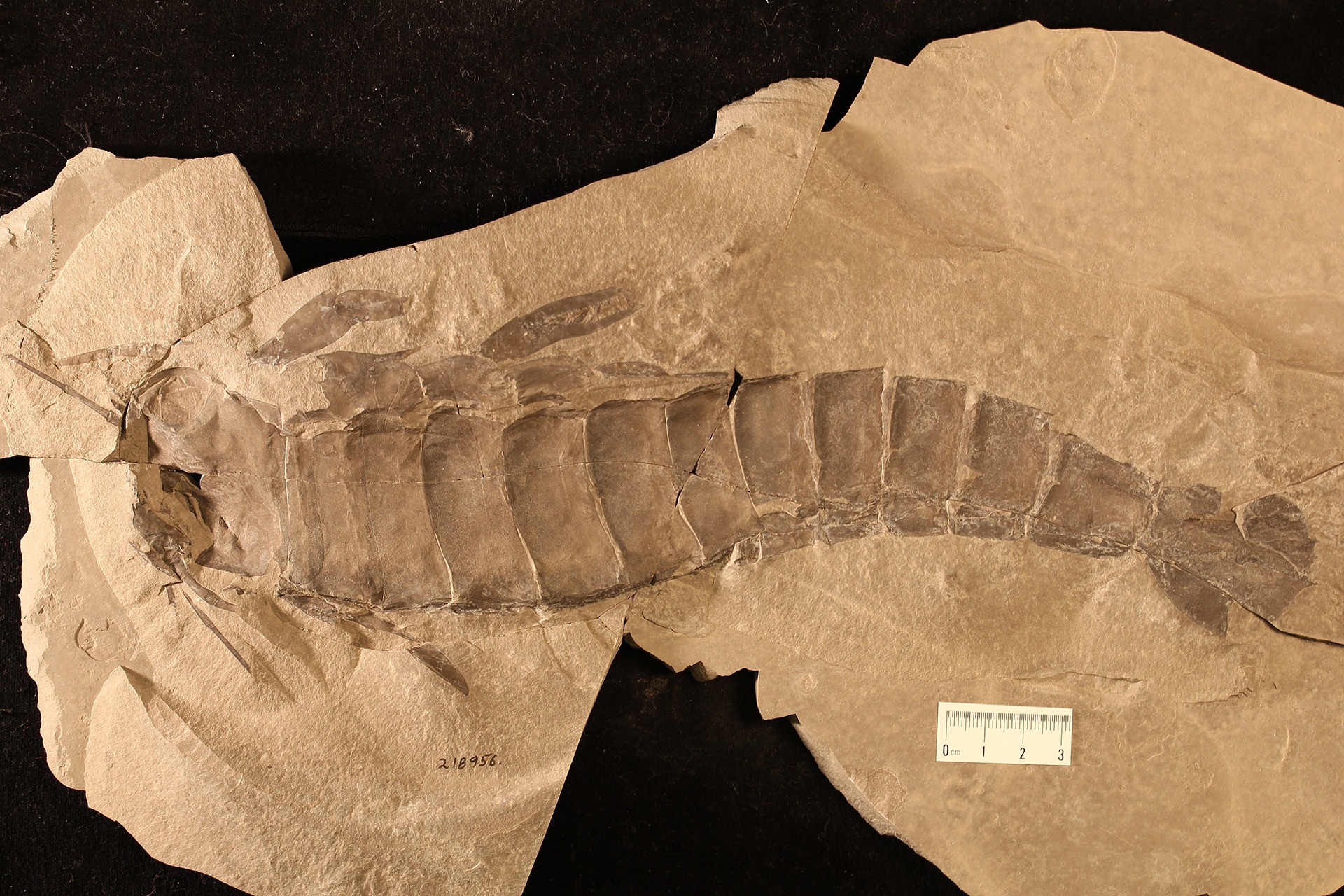
Sea scorpions, trilobites, and ammonites
See the rich diversity of ancient life. These are some of our favorites from the 4.5 million invertebrate fossils in the Peabody, like this sea scorpion.
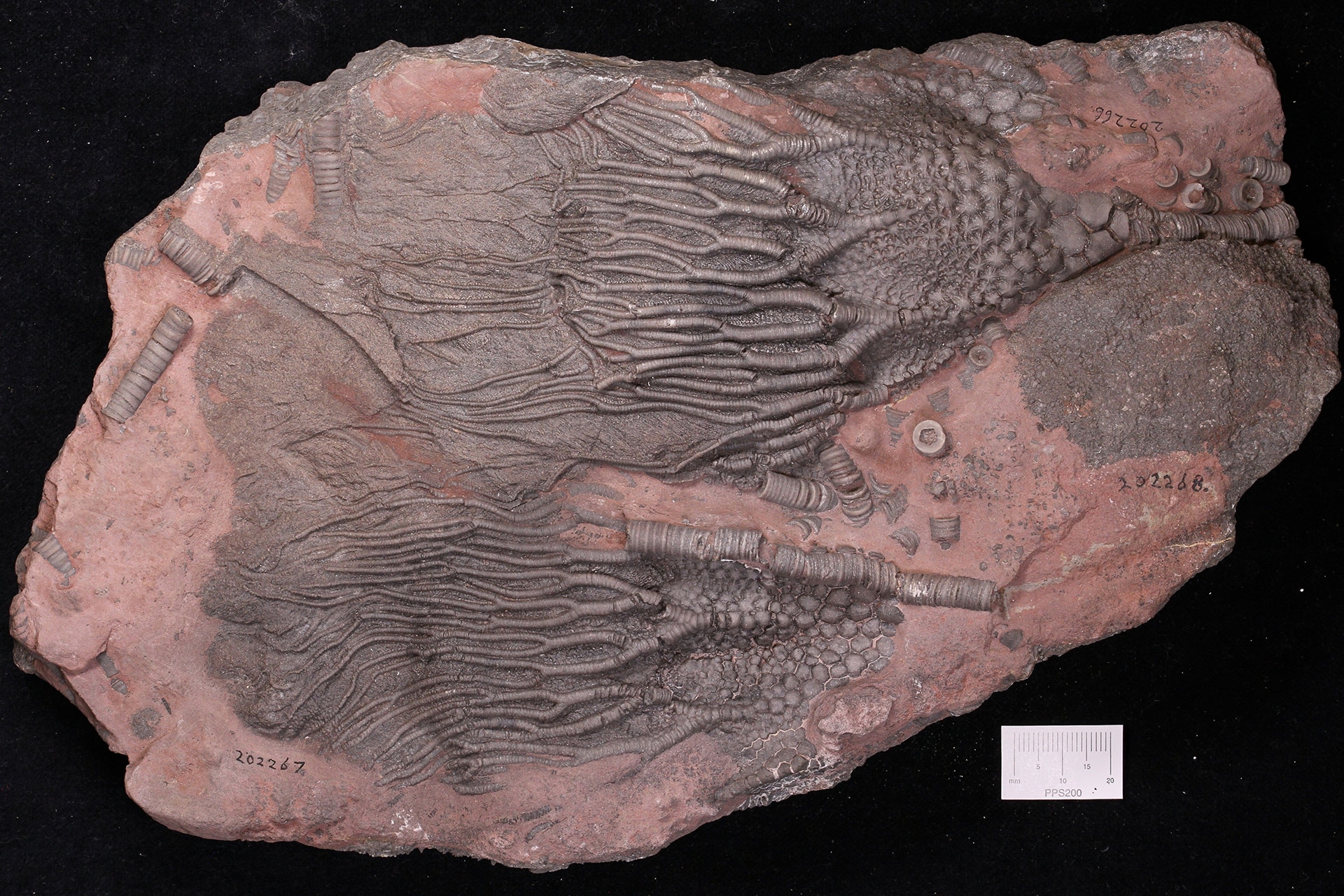
Echinoderms
Crinoids are relatives that live attached by a stalk to the sea floor.